2050 Pearl Masterplan Wins Texas ASLA Award
We’re excited to share that the 2050 Pearl Masterplan was awarded a 2026 Texas ASLA Merit Award!
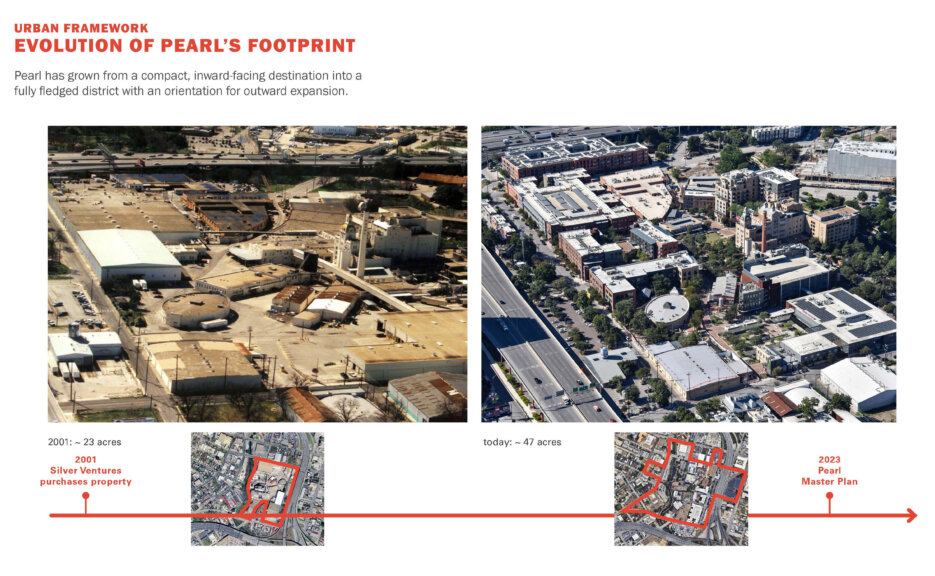
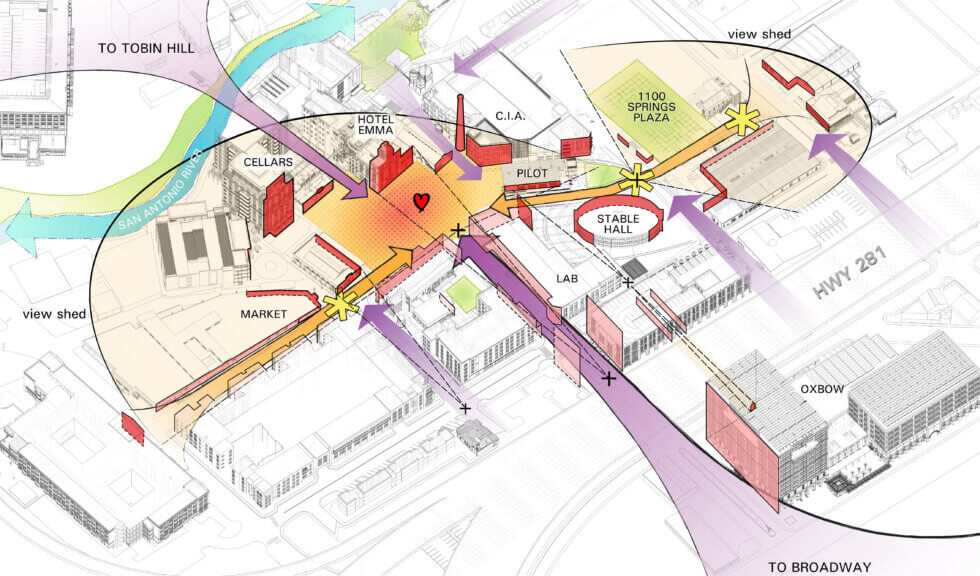
Over the past decade, Pearl has served as a living-breathing case study of successful mixed-use development both locally and globally. As Pearl plans for its future, strategies for expanding its footprint to further engage the San Antonio River, the Broadway corridor, and surrounding neighborhoods will extend Pearl’s reach and relevance with the intention of creating a more connected, walkable, socially inclusive, and economically diverse environment. The master plan serves as a north star for achieving the next phase of ambitions with innovative vertical mixed-use, missing middle housing, shared parking and multi-modal mobility.
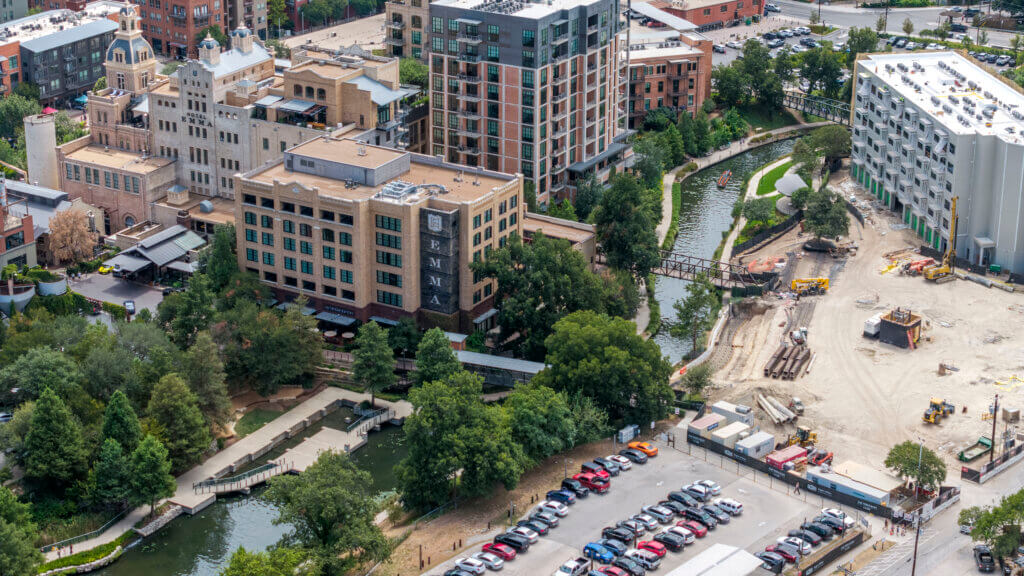
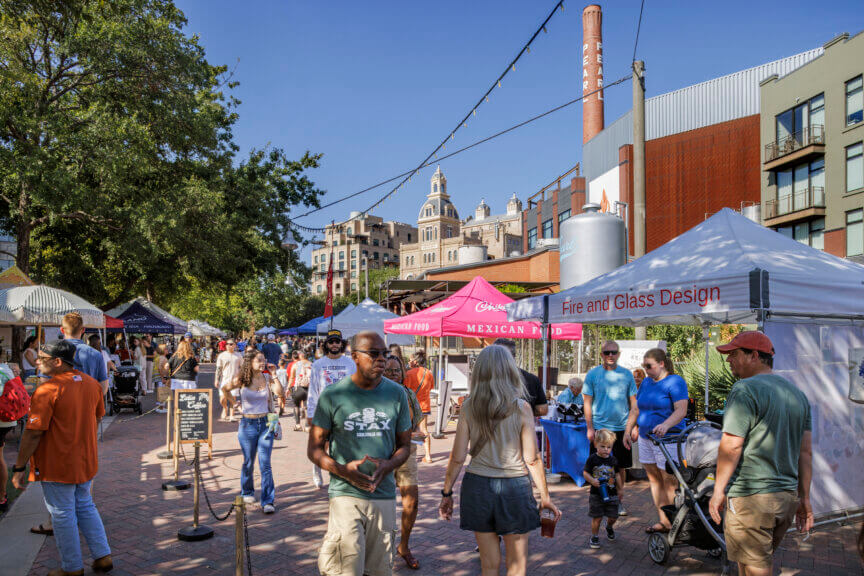
Pearl is a rare example of a historic district actively evolving into a true urban neighborhood. What began as cultural destination centered on food, craft, and public gathering has grown into a place where daily life unfolds—where people live, work, and move through a walkable, safe, and vibrant public realm. Streets reflect the rhythms of a lived-in community, supported by local businesses, declining car dependency, and a culture of stewardship. As a “living, breathing case study,” Pearl demonstrates how long-term, place-based planning can nurture a district that is culturally grounded and socially connected.
Hear from the Pearl community in San Antonio:
Long-term resident, The Cellars: “I’ve watched Pearl grow from a weekend destination into a place I can truly call home. The streets feel safe, there’s always activity around me, and it’s easy to walk to work, shops, or just meet friends. It really feels like a neighborhood now.”
Tenant, Full Goods Building: “How fortunate am I and our company from the beginning to be a part of something so transformational. We are a witness daily to the sense of a true urban community and neighborhood spirit that occurs as being a long-standing tenant, and also a part of the incredible, steady drum beat of event activation, placemaking and markets. Pearl engages, connects, and inspires lasting moments and memories that fosters a deep sense of belonging and community.”
Retail Tenant: “What makes Pearl different is that it’s not just a place people visit—they live here, they walk here, they come back again and again. The mix of housing, offices, and public spaces creates a rhythm that keeps our business alive every day.”